
What to see in Malé
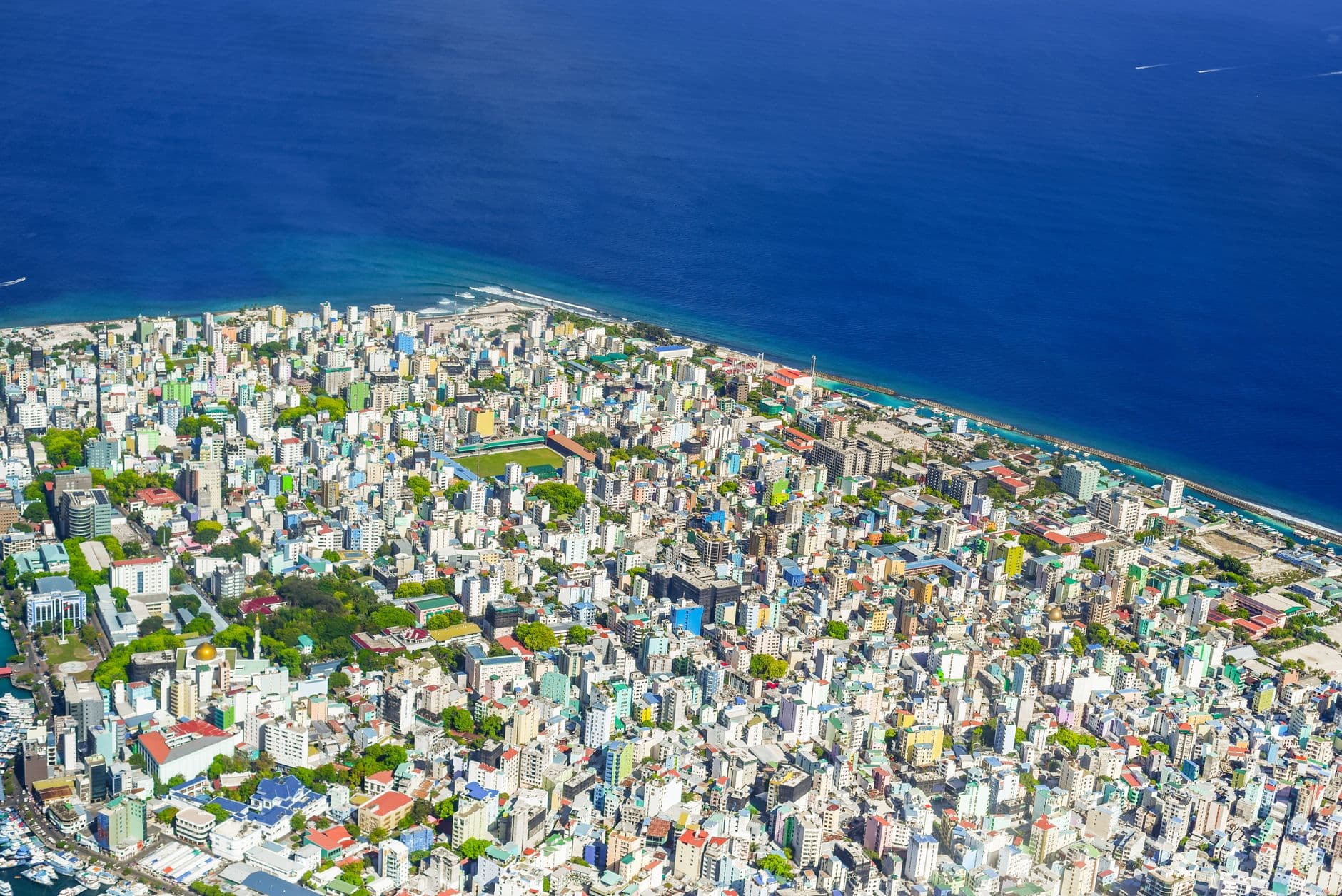
The capital is small enough to cross on foot and dense enough to surprise you. These are the places worth your time, with what to expect at each.
Opening times, entry fees and access rules change, and some religious sites restrict visitor entry. Check current information before you go.
Historical & cultural
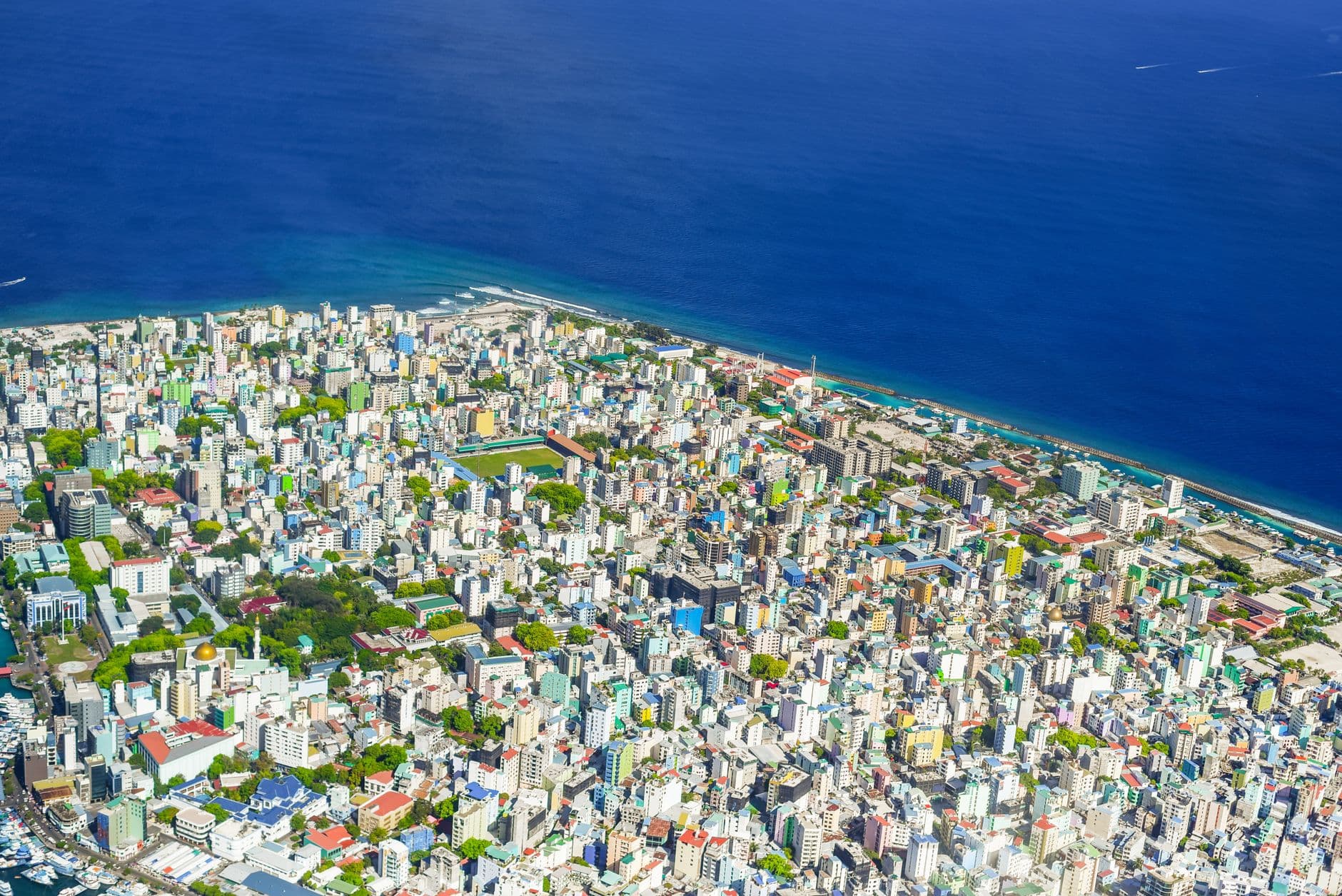
Republic Square
The open civic square on the northern waterfront, laid out beside the ferry terminal and flanked by government buildings, with the national flag flying at its centre.
It is the easiest place to get your bearings in Malé. Most walking routes through the city start here, and it is a short walk from the mosque district, the markets and the harbour.
- Boduthakurufaanu Magu, north waterfront, Malé
- Allow 10–20 minutes
- Open public space. Check current opening times and entry information before visiting.
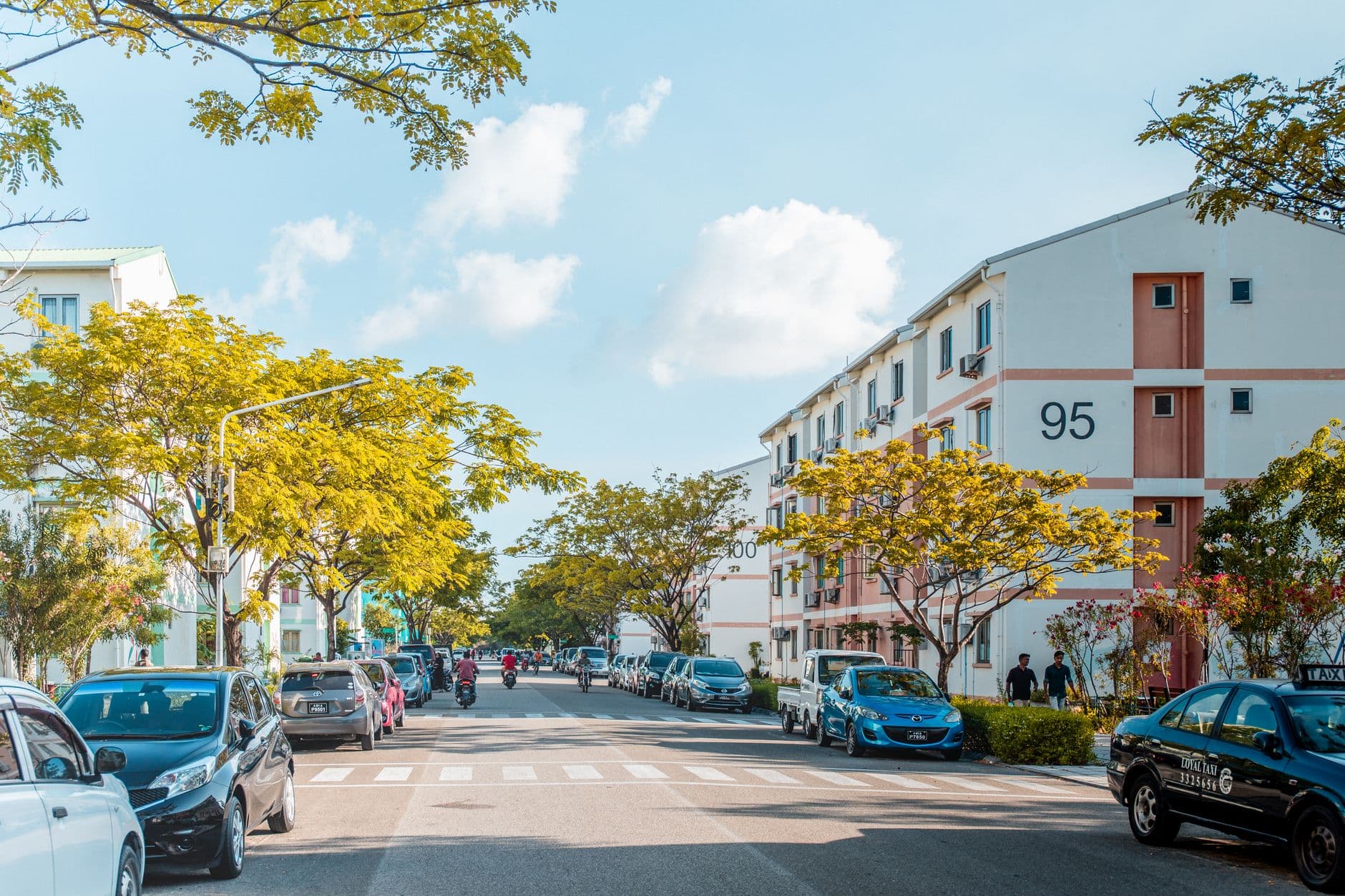
Sultan Park
A green park in the middle of the city on the grounds of the former royal palace, with shaded paths, mature trees and benches.
It is the one substantial patch of green in a very dense city, and a useful pause halfway through a walking tour.
- Medhuziyaaraiy Magu, Malé
- Allow 20–30 minutes
- Check current opening times and entry information before visiting.
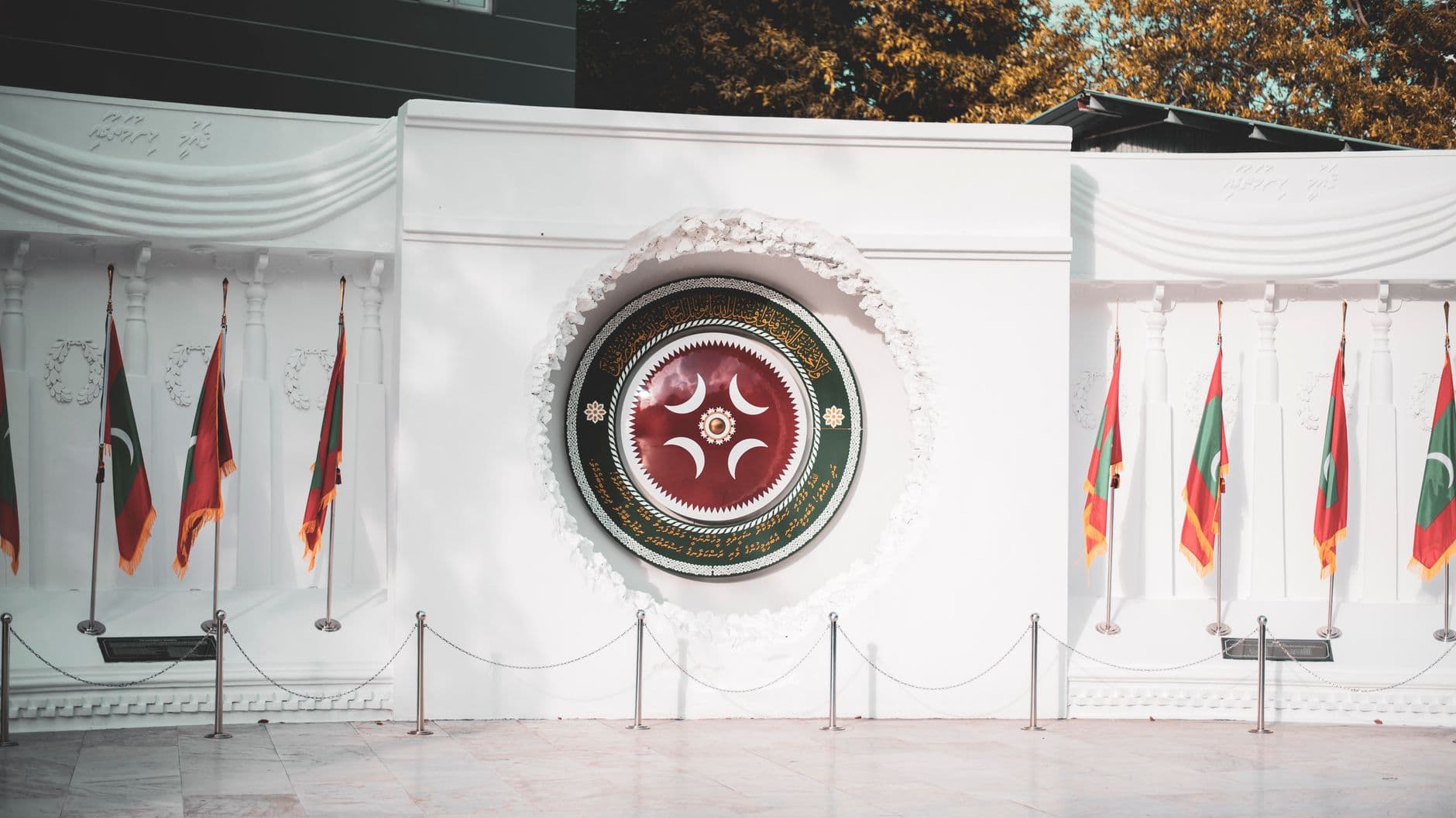
National Museum
The national collection, held in a building beside Sultan Park: royal regalia, thrones and palanquins, pre-Islamic coral carvings, manuscripts and everyday objects from island life.
It is the quickest way to understand how the Maldives moved from a Buddhist past through the sultanate to the republic.
- Sultan Park, Malé
- Allow 45–60 minutes
- An entrance fee applies and opening days vary. Check current opening times and entry information before visiting.
Religious landmarks
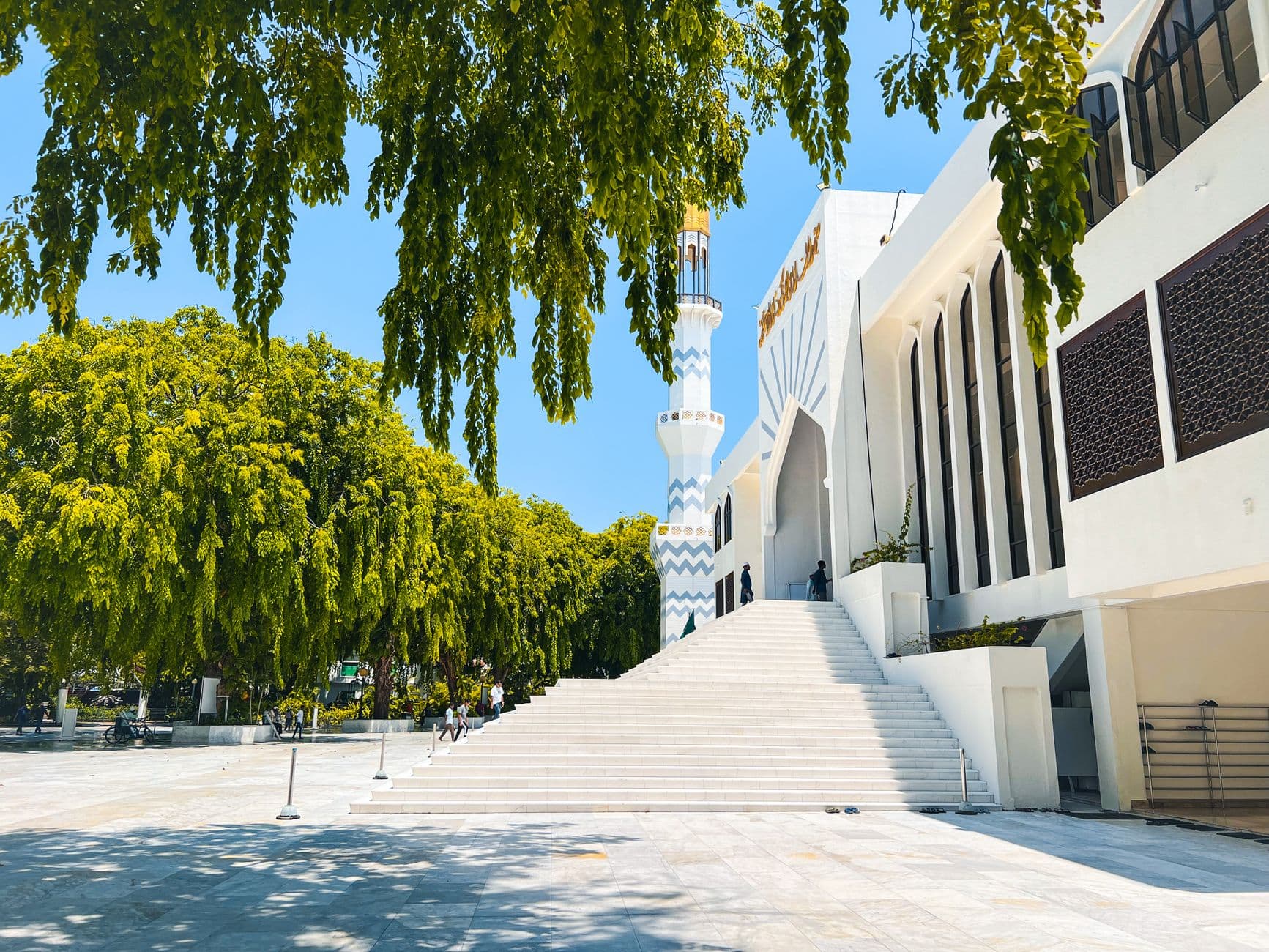
Islamic Centre & Grand Friday Mosque
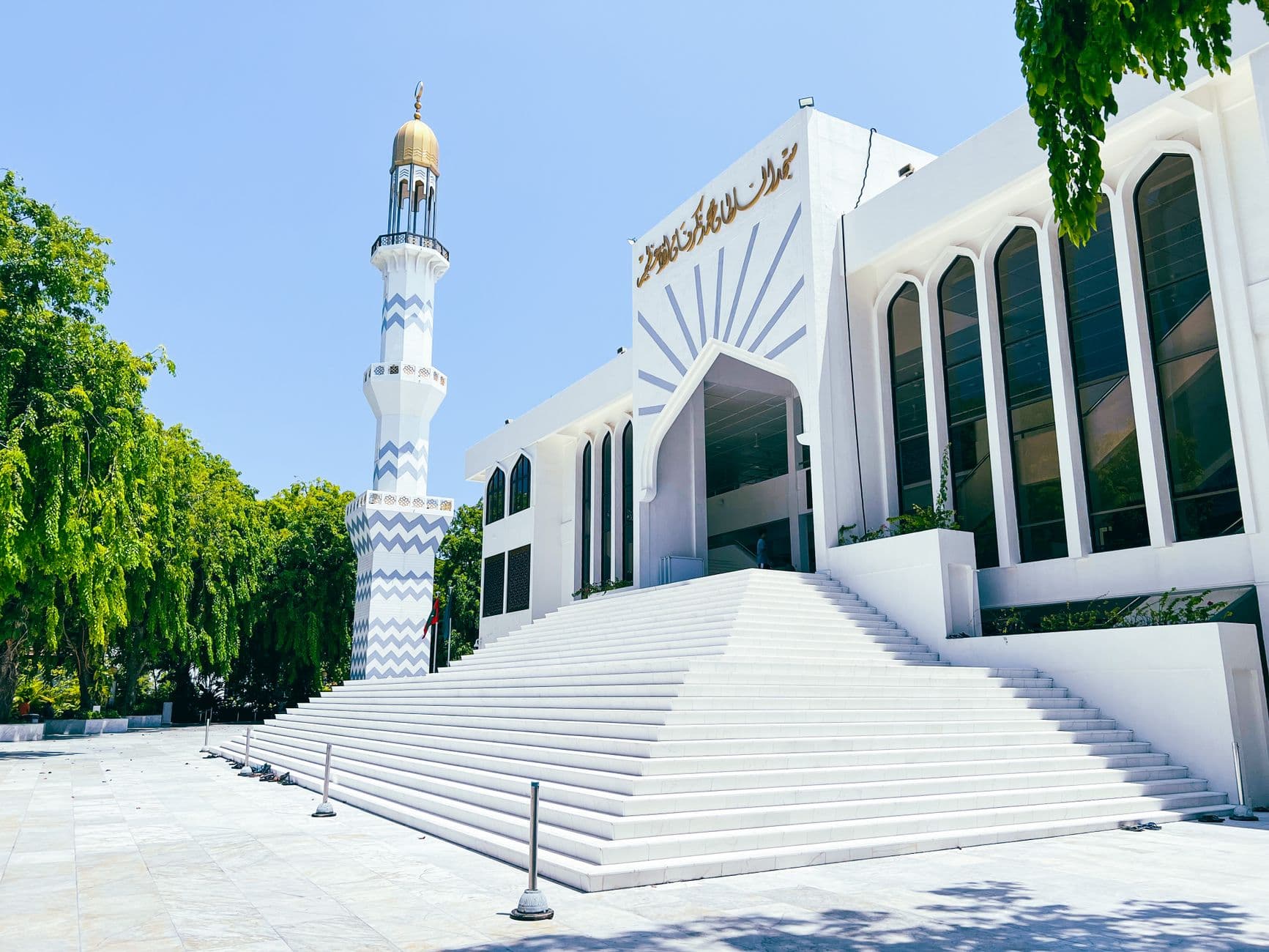
The largest mosque in the Maldives, opened in 1984, recognisable across the city by its gold dome. The complex also houses an Islamic library and conference facilities.
It is the defining silhouette of the Malé skyline and the centre of religious life in the capital.
- Ameer Ahmed Magu, near Republic Square, Malé
- Allow 20–30 minutes
- Non-Muslim visitors may be allowed inside outside prayer times, at the discretion of the mosque. Check current opening times and entry information before visiting.
Dress modestly with shoulders and knees covered. Remove shoes before entering. Avoid visiting during prayer times unless invited.
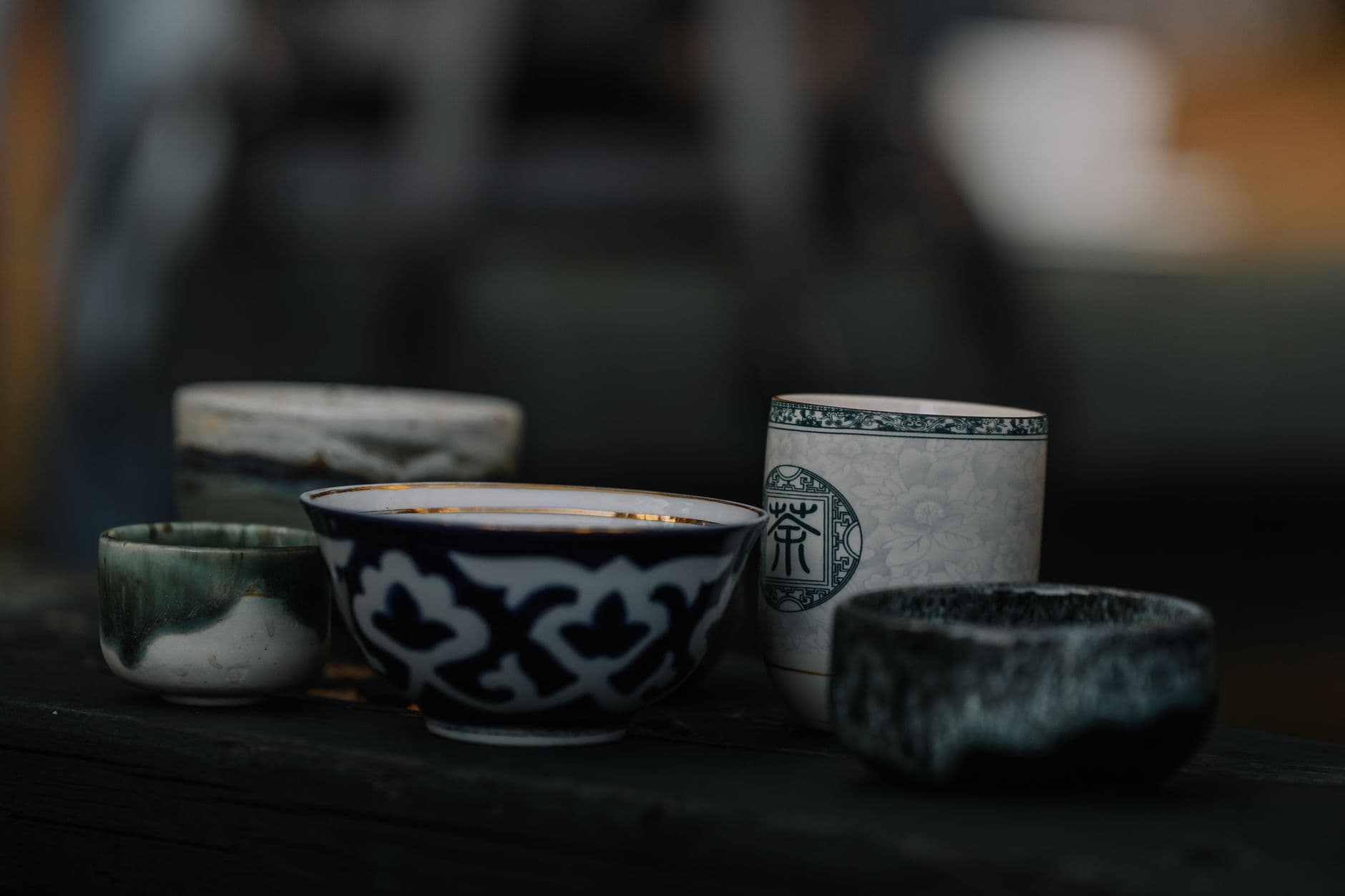
Old Friday Mosque (Hukuru Miskiy)
Built in 1658 from cut coral stone, with carved interior panels, lacquered woodwork and a walled cemetery of coral headstones. The round Munnaaru minaret stands beside it.
It is the oldest mosque in the country and the finest surviving example of Maldivian coral-stone craftsmanship, on the UNESCO World Heritage tentative list.
- Medhuziyaaraiy Magu, Malé
- Allow 20–30 minutes
- Access for visitors is restricted and usually requires prior permission. Check current opening times and entry information before visiting.
Dress modestly. Permission is required to enter, and photography rules may apply inside the compound.
Markets & local life
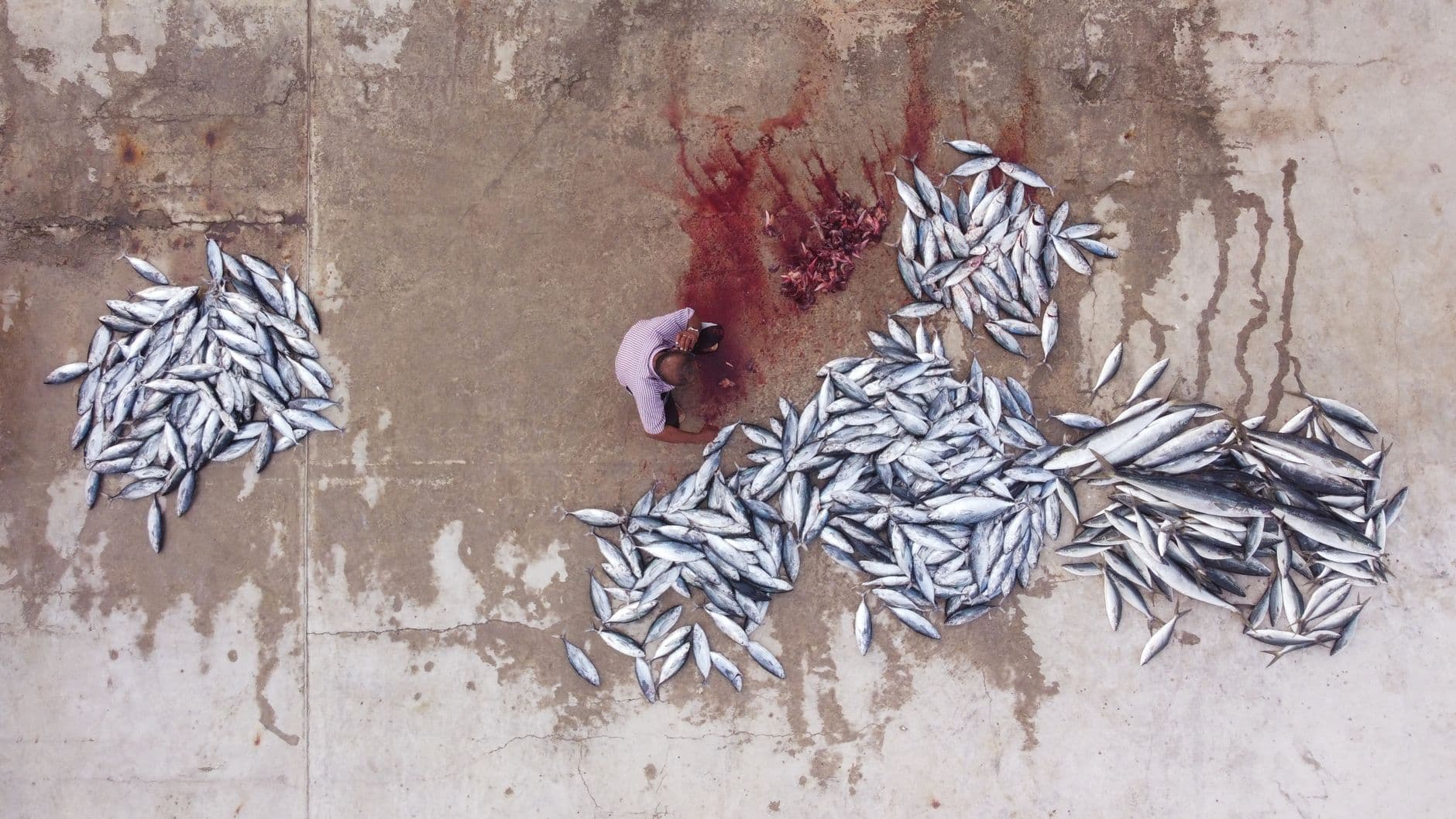
Malé Fish Market
An open hall on the northern waterfront where the day’s catch is landed, cleaned and sold on tiled floors — tuna above all, stacked in rows.
It is the most honest look at working Malé you can get in ten minutes, and it is busiest in the late afternoon when the boats come in.
- Boduthakurufaanu Magu, north waterfront, Malé
- Allow 20–30 minutes
- Check current opening times and entry information before visiting.
Ask before photographing people at work. The floors are wet — closed shoes are sensible.
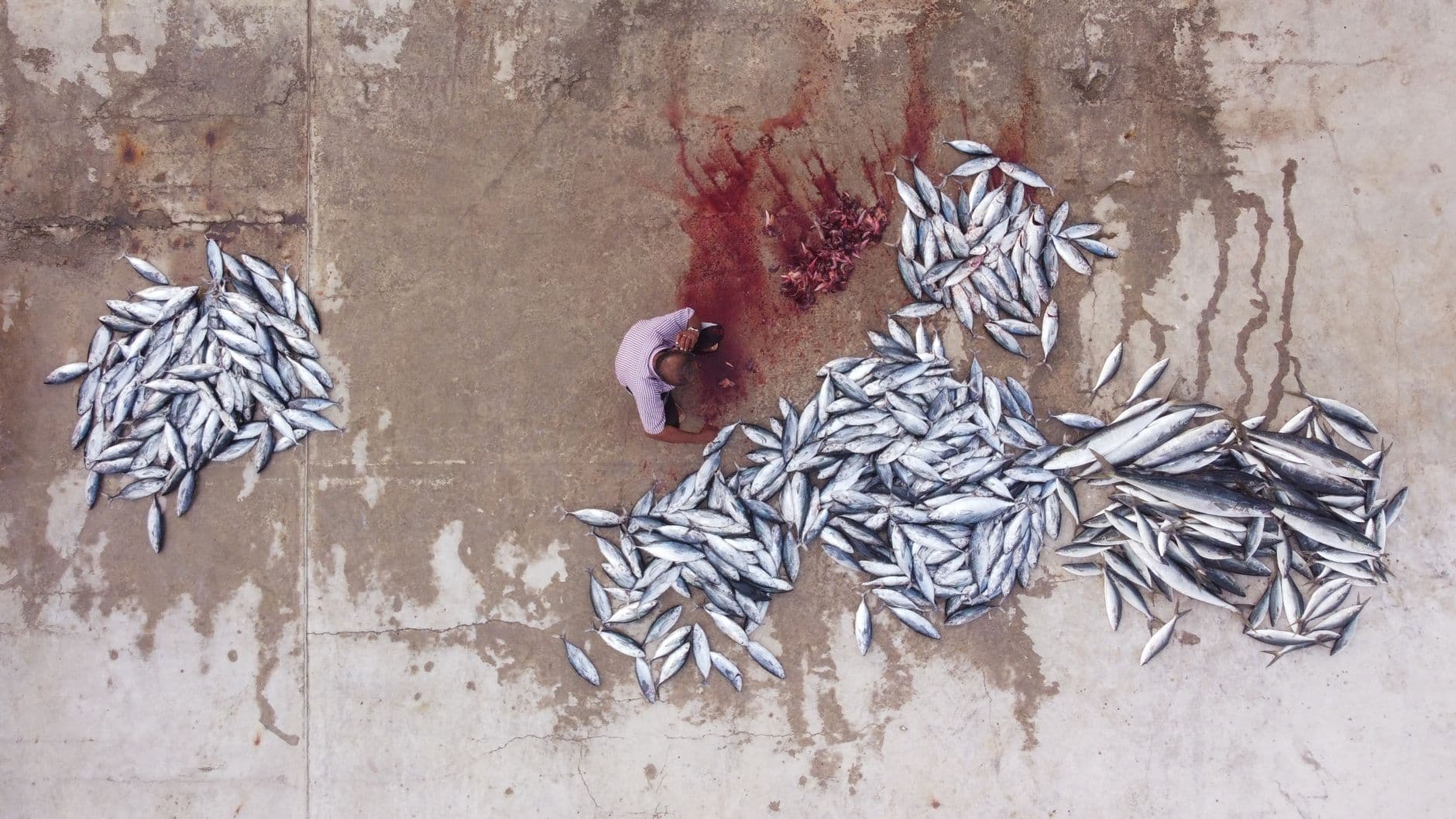
Local Market
The produce market next to the fish market, where growers from across the atolls sell bananas, coconuts, breadfruit, chillies, dried fish and packets of local sweets.
It is where island produce arrives in the capital, and the best place to buy things like dried tuna or palm sugar to take home.
- Beside the fish market, north waterfront, Malé
- Allow 20–30 minutes
- Check current opening times and entry information before visiting.
Waterfront & public spaces
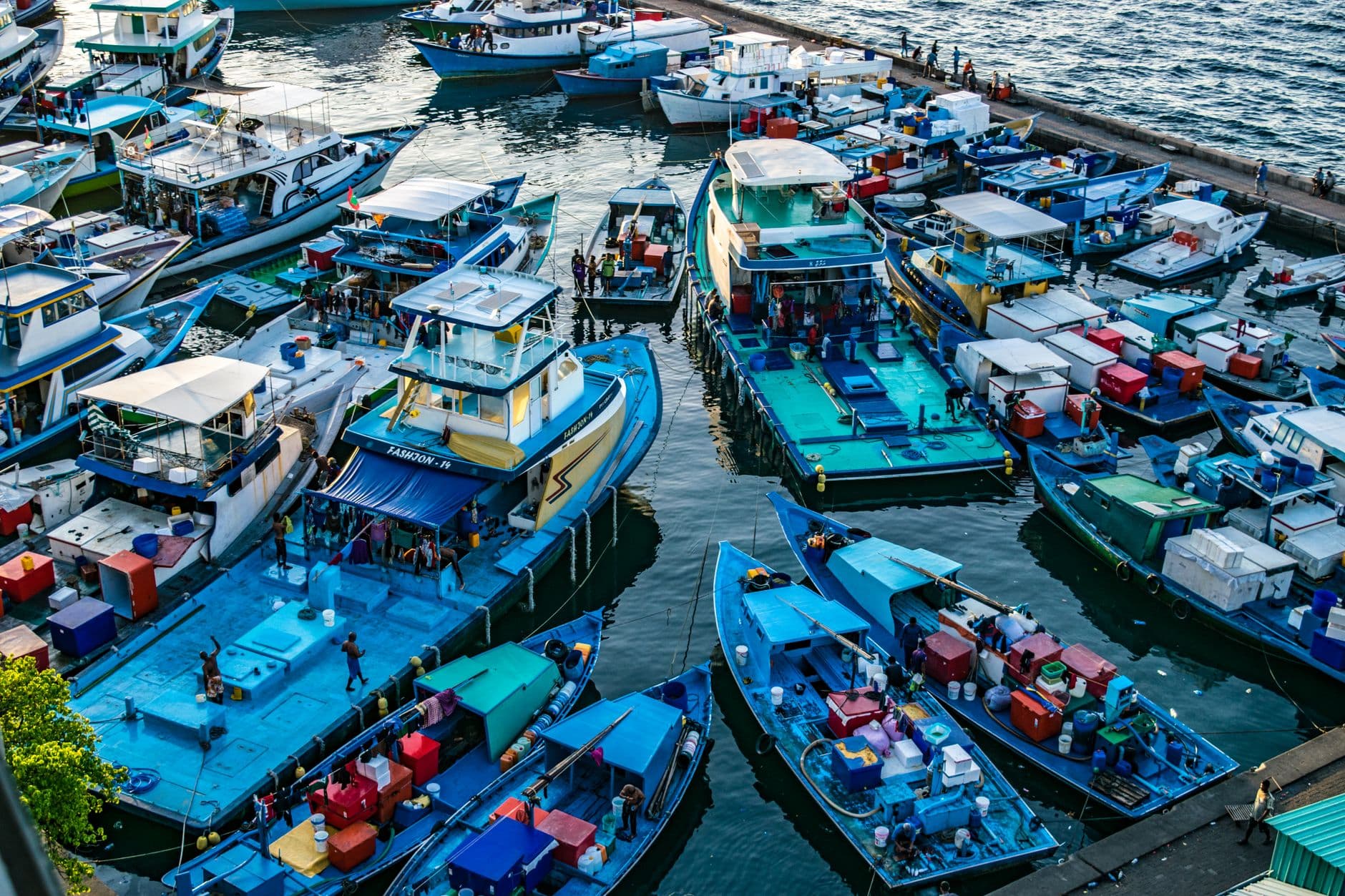
Malé waterfront and harbour
The north-shore road and harbour, lined with dhonis, speedboats and ferries loading and unloading all day.
Everything in the Maldives moves by boat, and this is where you see it happening. Good at any hour, best at sunset.
- Boduthakurufaanu Magu, Malé
- Allow 20–40 minutes
- Open public area. Check current opening times and entry information before visiting.
Rasfannu Beach
A man-made public beach on the western side of Malé, with a promenade, cafés and a stretch of sand that fills up in the late afternoon.
It is where the city goes to swim and watch the sun go down, and it is the easiest sunset spot to reach on foot.
- West Malé
- Allow 30–60 minutes
- Open public beach. Check current opening times and entry information before visiting.
This is a public beach on an inhabited island. Modest swimwear is expected — cover up outside the water.
Tsunami Monument
A memorial on the eastern seafront to those lost in the 2004 Indian Ocean tsunami, built as steel spheres rising above the water line.
A quiet, well-placed piece of public memory, and a reminder of how exposed these islands are.
- Eastern seafront, Malé
- Allow 10–15 minutes
- Open public area. Check current opening times and entry information before visiting.
See it with a guide
The Greater Malé Discovery Tour covers the capital, Vilimalé and Hulhumalé in five hours, with lunch included.
See the tour